
The Meaning of Being a Manager
The AxBurke’s career and self-understanding expose both the knowledge managers possess and the vulnerability of a role made expendable by corporate change.
increasing Bearing strength in each event
 decreasing
Bearing strength in each eventdecreasingA Specialist’s Career

A Specialist’s Career
Knowledge Accumulated
Burke moves from sales into product management and becomes deeply familiar with specialized paper manufacturing. His skill is built through years of work rather than a single credential.
A Professional Identity
The career gives him a community, a routine, and confidence in what he can do. Losing it threatens more than income, even though Burke insists the job is not identical to the self.
The Conduit Role
The Conduit Role
Communication Between Levels
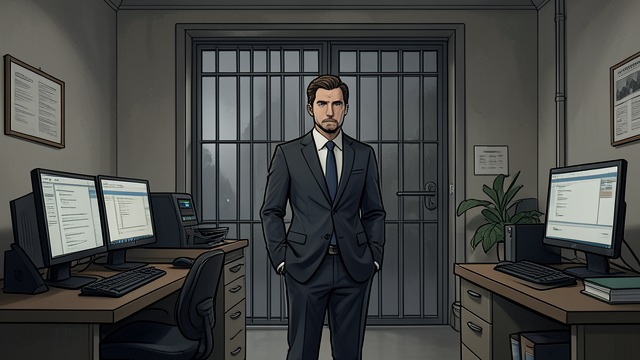
Burke describes middle management as translating decisions for workers and reporting production realities upward. Managers also coordinate materials and distribution.
Necessary Until Reduced
The role once seemed indispensable, but computer systems and corporate restructuring have reduced the number of people required. Burke sees the profession itself becoming smaller around him.
The Rejected Retraining
The Rejected Retraining
A Mismatched Offer
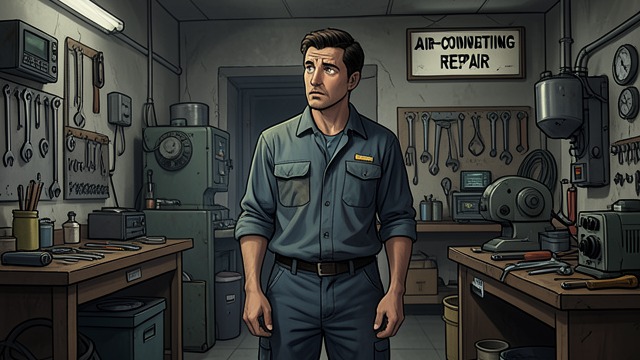
Halcyon’s transition program offers Burke training in air-conditioning repair rather than a related management role. Burke argues that this does not connect to his history of running production lines.
A Failure of Fit
He recognizes that employers seeking experienced technicians will not prefer a newly trained manager over candidates with years in the field. The program’s language of opportunity cannot overcome the mismatch between training and available work.
The Manager Becomes Counterman
The Manager Becomes Counterman
A Former Peer in Service Work
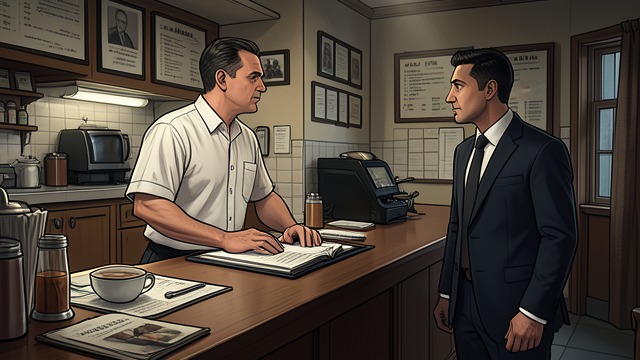
Burke finds Dynes working in a diner after twenty-five years in paper sales and management. The scene demonstrates how professional skills do not guarantee a comparable next job.
Respect Across Status
Burke sees Dynes as a fellow manager rather than judging him for the job he now holds. Their conversation makes the emotional loss of occupational identity palpable.
A Manager Still Needed
A Manager Still Needed
Arcadia’s Opening
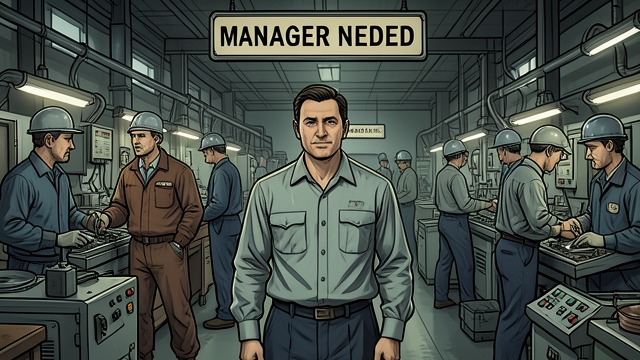
Arcadia requires a person with Burke’s experience to manage a production line. The call shows that expertise can still be valuable where a position remains.
Scarcity Remains
One job does not reverse the shrinking of the managerial class. Burke’s opportunity appears as an exception within a broader system that has left many workers without a comparable place.
1969–1995
May 1997, during Burke’s reflections
During the layoff transition, 1995–1996
Late May 1997
July 1–3, 1997
